
As a guest at an Eid celebration, the ideal outfit is modest, festive, and culturally respectful — a salwar kameez, anarkali suit, or saree in rich jewel tones or soft pastels is always appropriate. The right choice depends on whether you're attending the morning prayers, a family lunch, or an evening gathering.
This guide breaks down exactly what to wear to each Eid occasion, with outfit ideas for every setting, budget, and style.

What Is Eid and Why Does the Outfit Matter?
Eid Al-Fitr and Eid Al-Adha are among the most significant celebrations in the Islamic calendar. Guests — whether Muslim or non-Muslim — are expected to dress with care: covered, elegant, and celebratory. Eid outfits traditionally feature new clothes, rich embroidery, and festive colours as a mark of joy and gratitude.
Wearing the right outfit signals respect for the occasion and the family hosting you.
Eid Outfit by Occasion Type
Not all Eid gatherings are the same. Here's how to dress for each:
| Occasion | Formality | Best Outfit Choice |
|---|---|---|
| Eid namaz (morning prayers) | Semi-formal, modest | Salwar kameez, anarkali, plain saree |
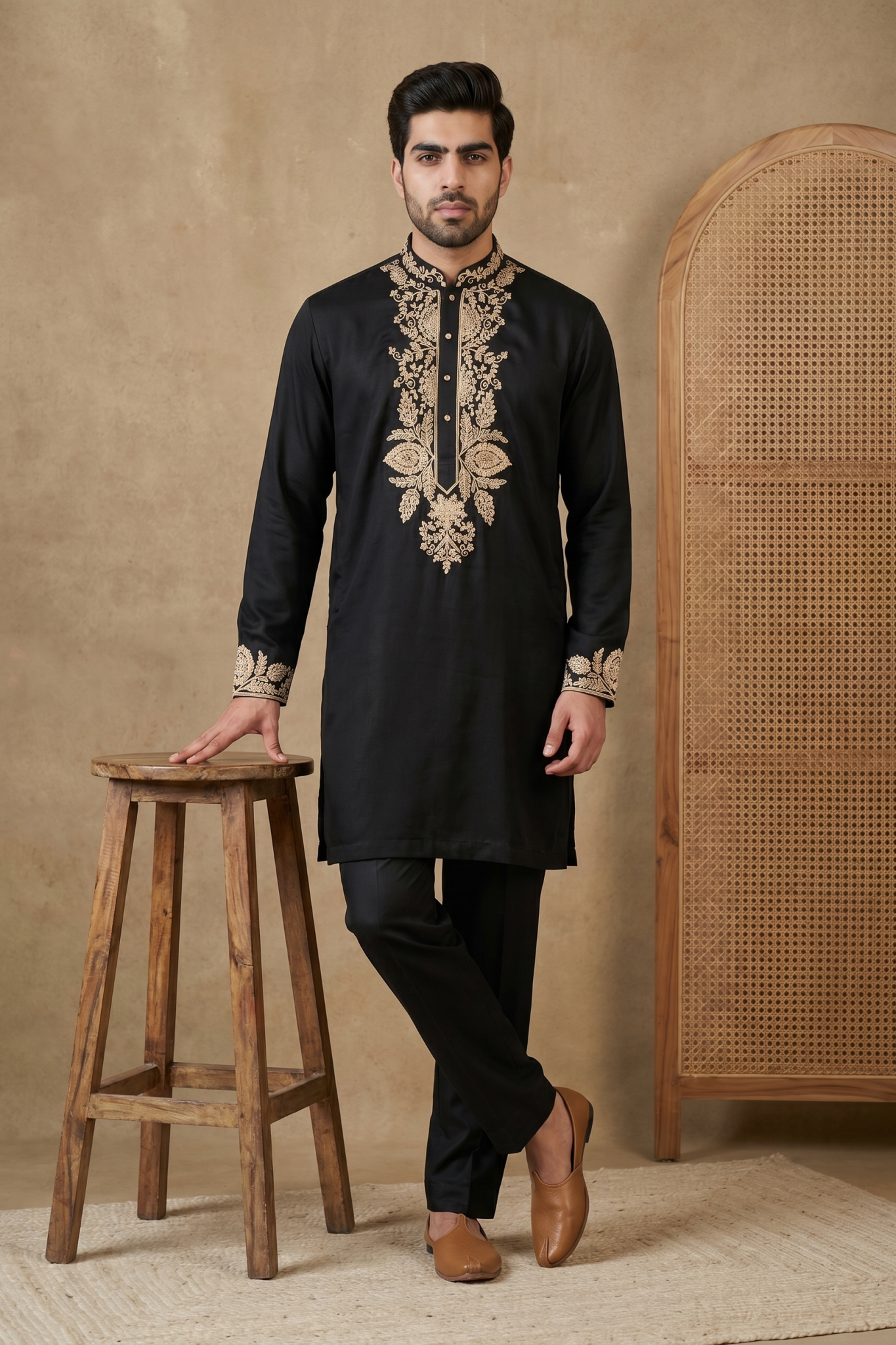
| Family lunch / home gathering | Smart casual to semi-formal | Anarkali suit, straight kurta set, co-ord set |
| Evening party / formal dinner | Formal | Lehenga, heavy saree, embroidered anarkali |
| Outdoor Eid mela / festival | Casual to smart casual | Printed kurta, palazzo set, indo-western top |
Best Outfit Options for Eid Guests
1. Salwar Kameez and Anarkali Suits — The Classic Choice
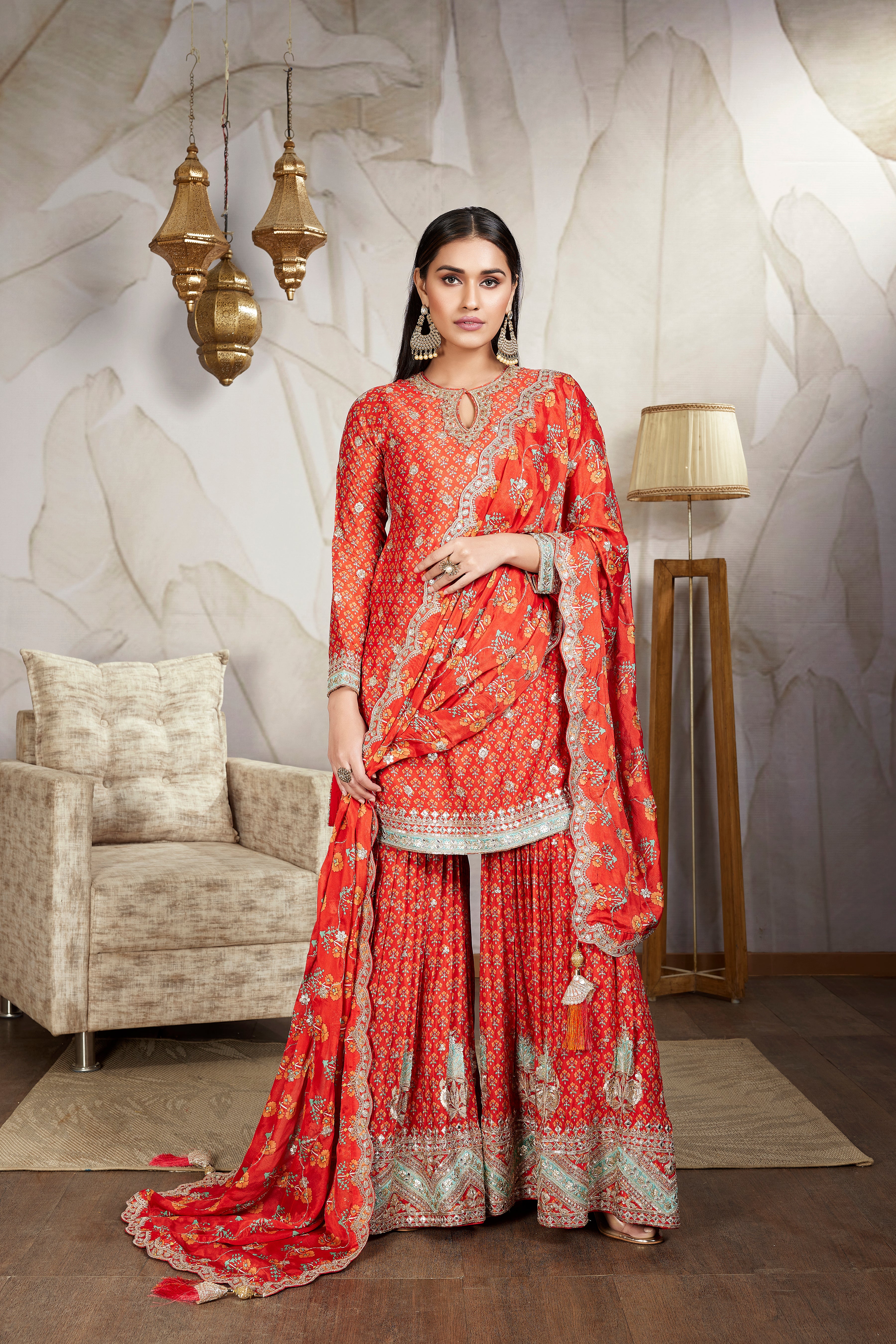
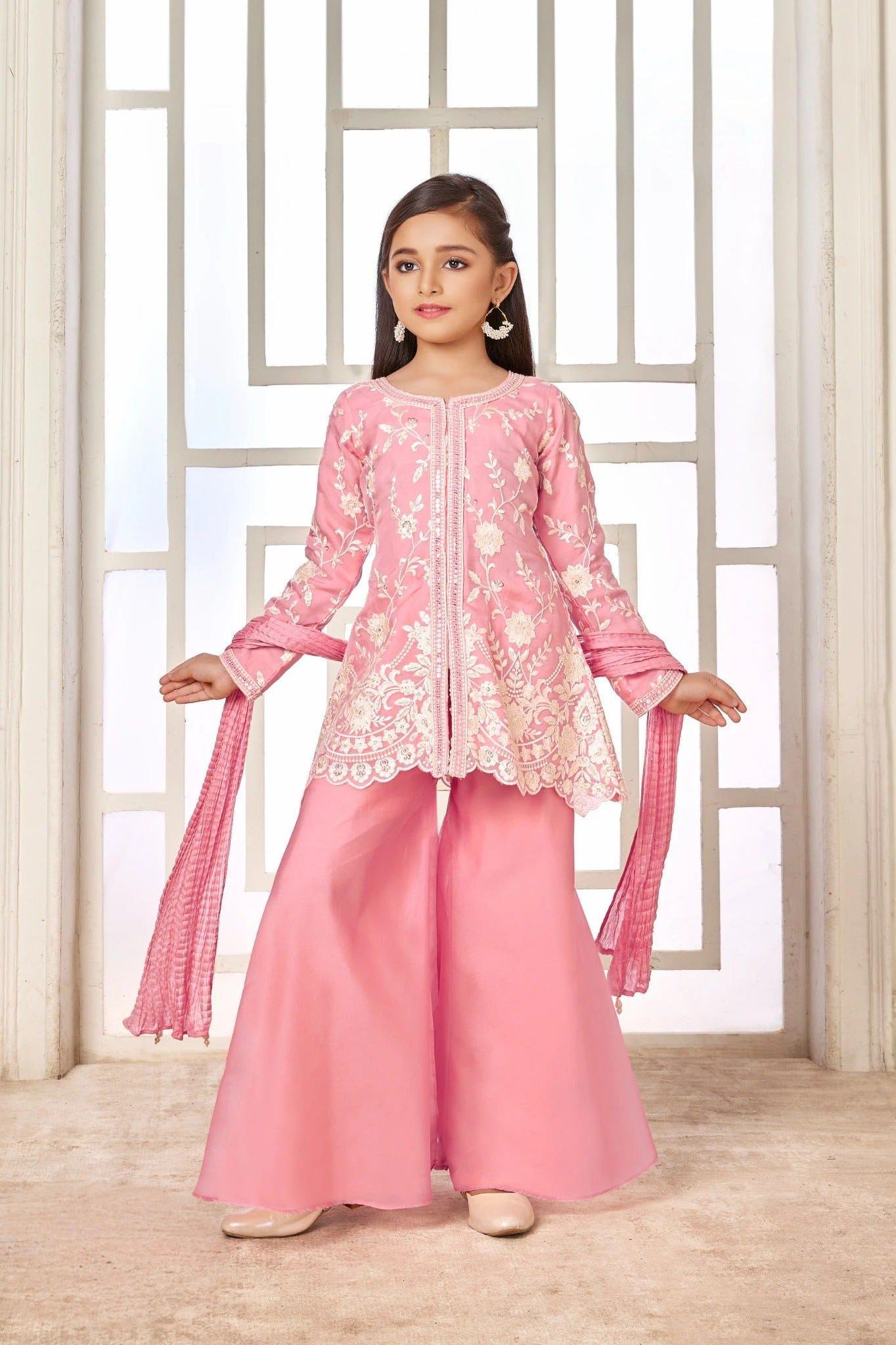
A salwar kameez or anarkali suit is the most universally appropriate outfit for Eid across all settings. It checks every box: modest, festive, comfortable to wear for long hours, and easy to style up or down.
Best fabrics for Eid:
- Silk — for formal dinners and evening parties
- Georgette — lightweight, flows beautifully, works for day and evening
- Chiffon — soft and breathable for daytime gatherings
- Cotton silk — ideal for outdoor events or warm climates
What to look for:
- Embroidered necklines or border details
- Dupatta in a complementary or contrasting shade
- Fully stitched or ready-to-wear for convenience

2. Sarees — Elegant and Occasion-Appropriate
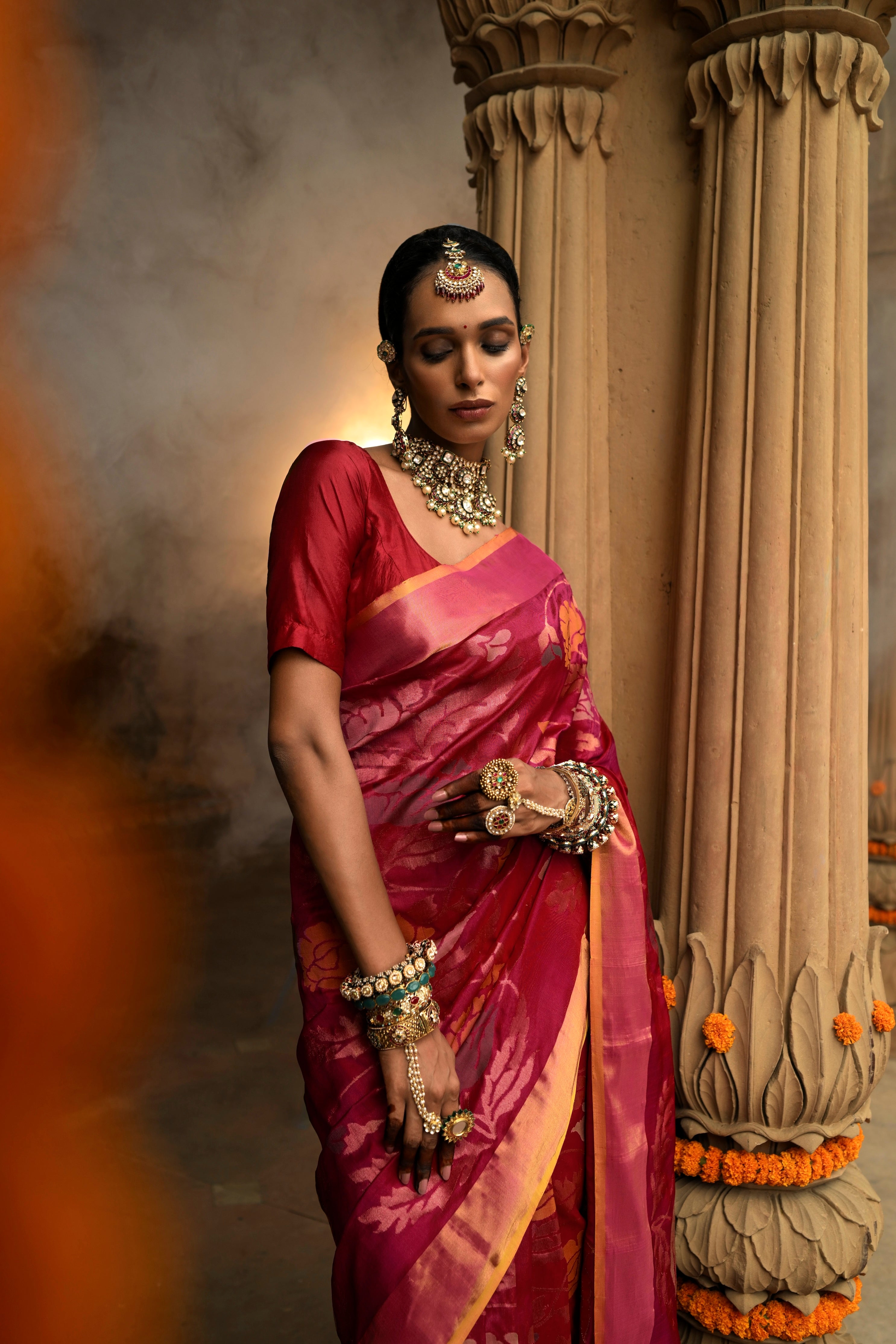
A saree is a sophisticated choice for Eid, particularly for guests attending formal dinners or family gatherings hosted in traditional homes. Opt for a saree with minimal or moderate embellishment — heavily embroidered bridal sarees are better suited to weddings.
Saree styles that work well for Eid:
| Saree Type | Best For | Why |
|---|---|---|
| Georgette saree | Day gatherings, lunch | Lightweight, drapes gracefully |
| Net saree | Evening parties | Festive without being bridal |
| Silk saree | Formal dinner, elder hosts | Respectful and elegant |
| Printed chiffon | Outdoor events, younger crowd | Relaxed festive feel |
Styling tip: Pair with a full-sleeve or elbow-length blouse for modesty. A closed neckline is more appropriate for prayer settings.

3. Indo-Western Outfits — Modern Yet Respectful
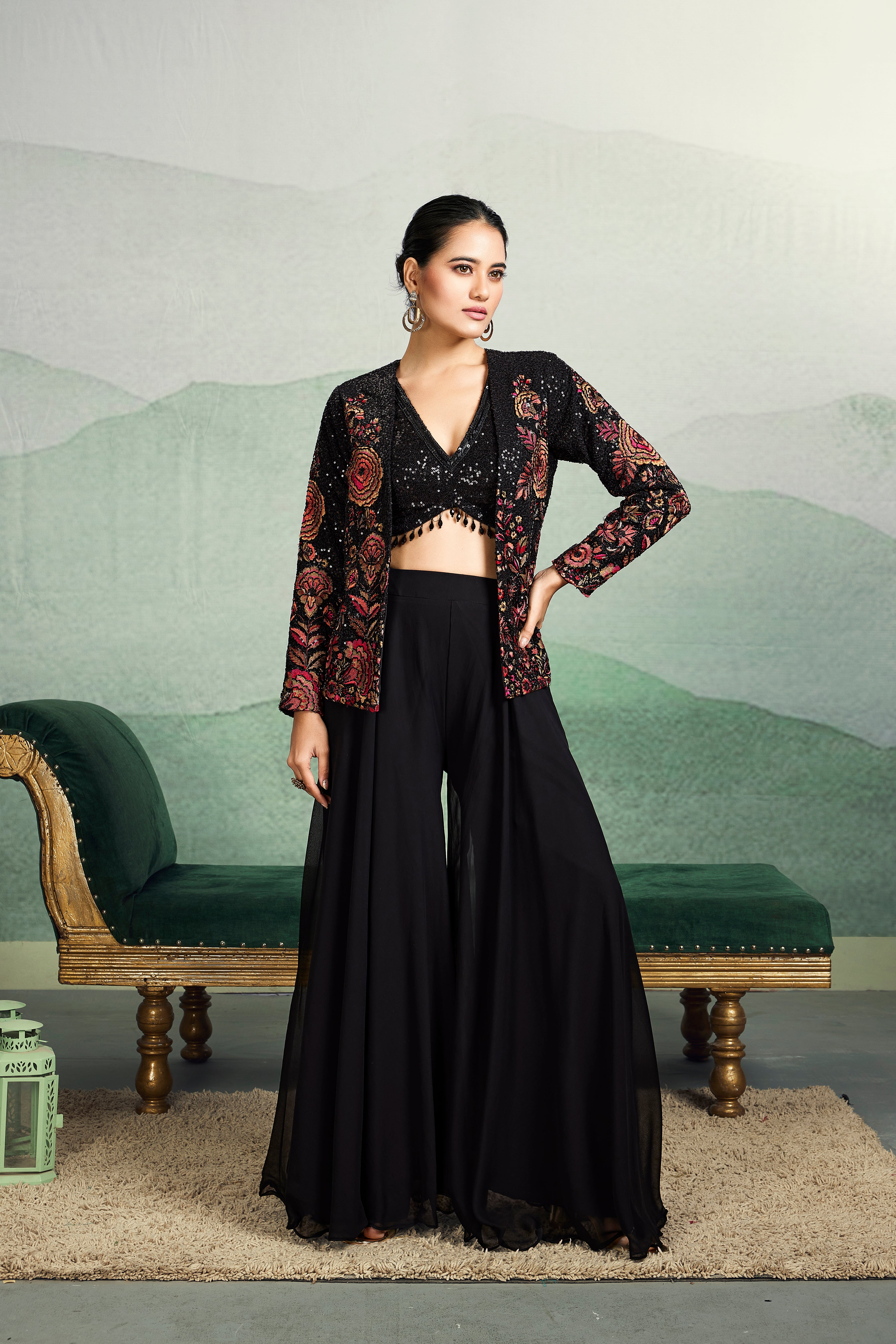
For younger guests or casual Eid gatherings, indo-western outfits — cape sets, peplum kurtas, dhoti pants with a kurta top, or co-ord sets — strike the right balance between festive and contemporary.
What works:
- Cape sets over straight pants
- Embroidered crop top with high-waisted palazzo or sharara
- Long jacket over fitted inner with trousers
What to avoid: Anything cropped, body-hugging, or with a low neckline — even in indo-western styles, Eid calls for covered, elegant silhouettes.

4. Lehengas — For Evening and Formal Eid Parties
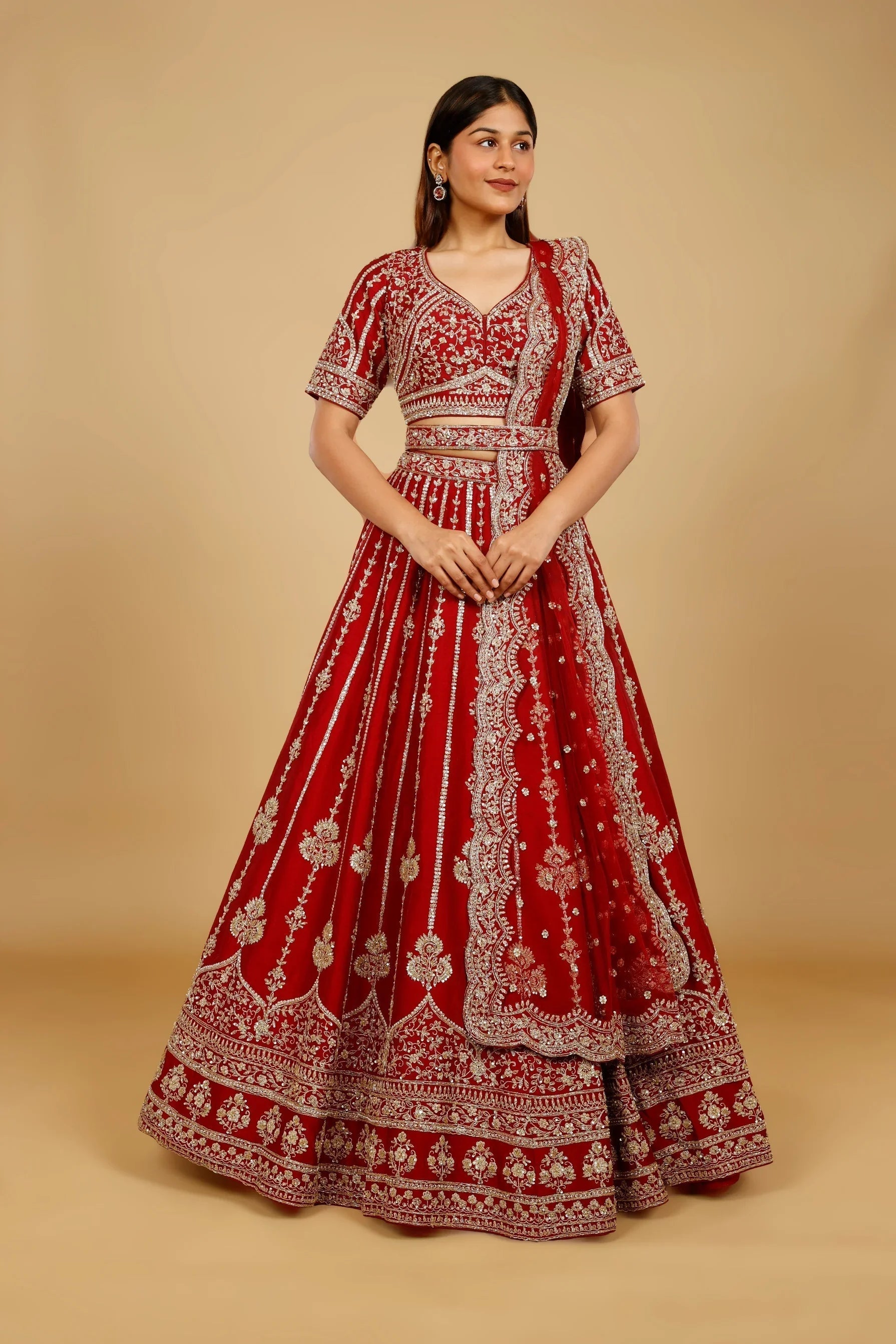
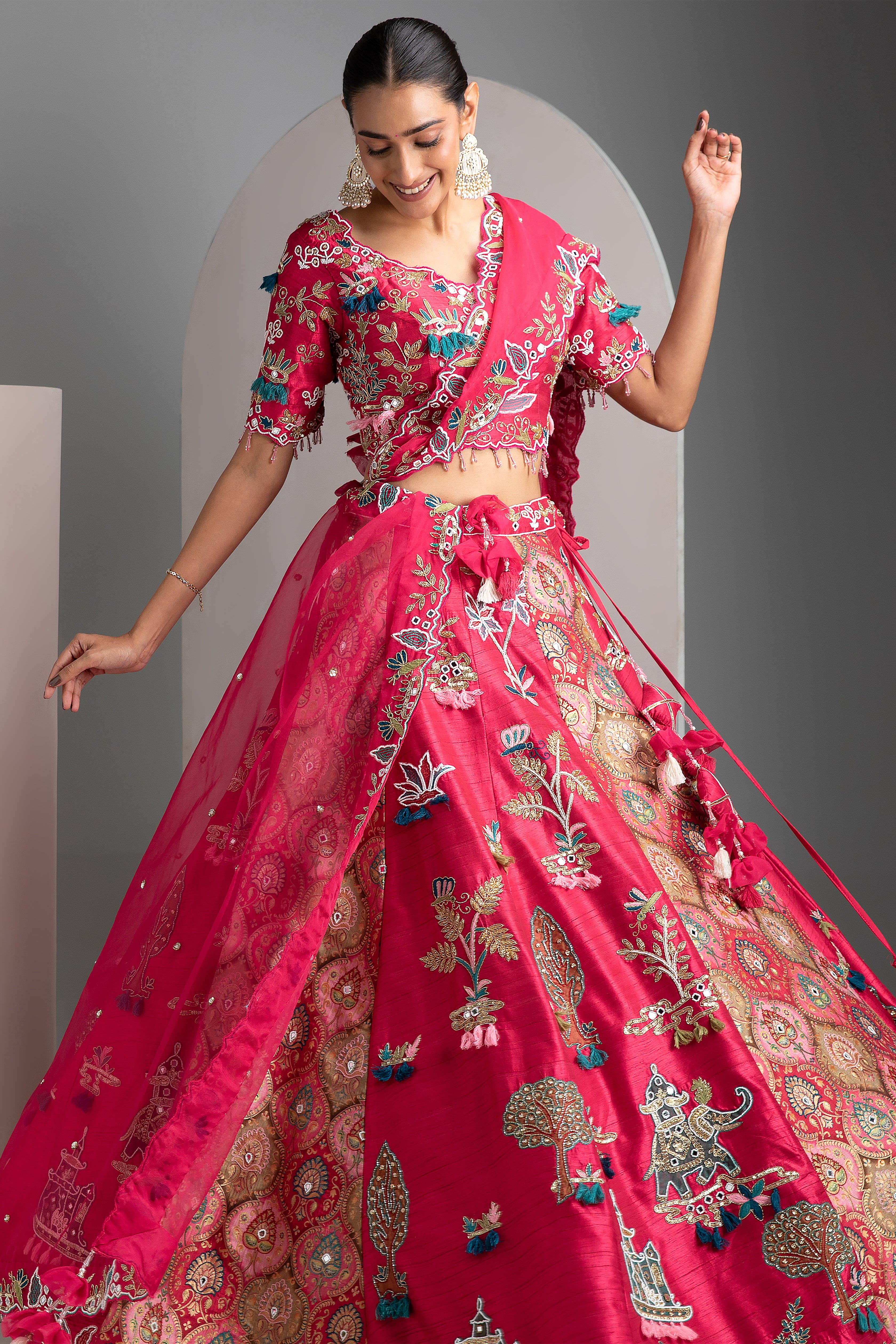
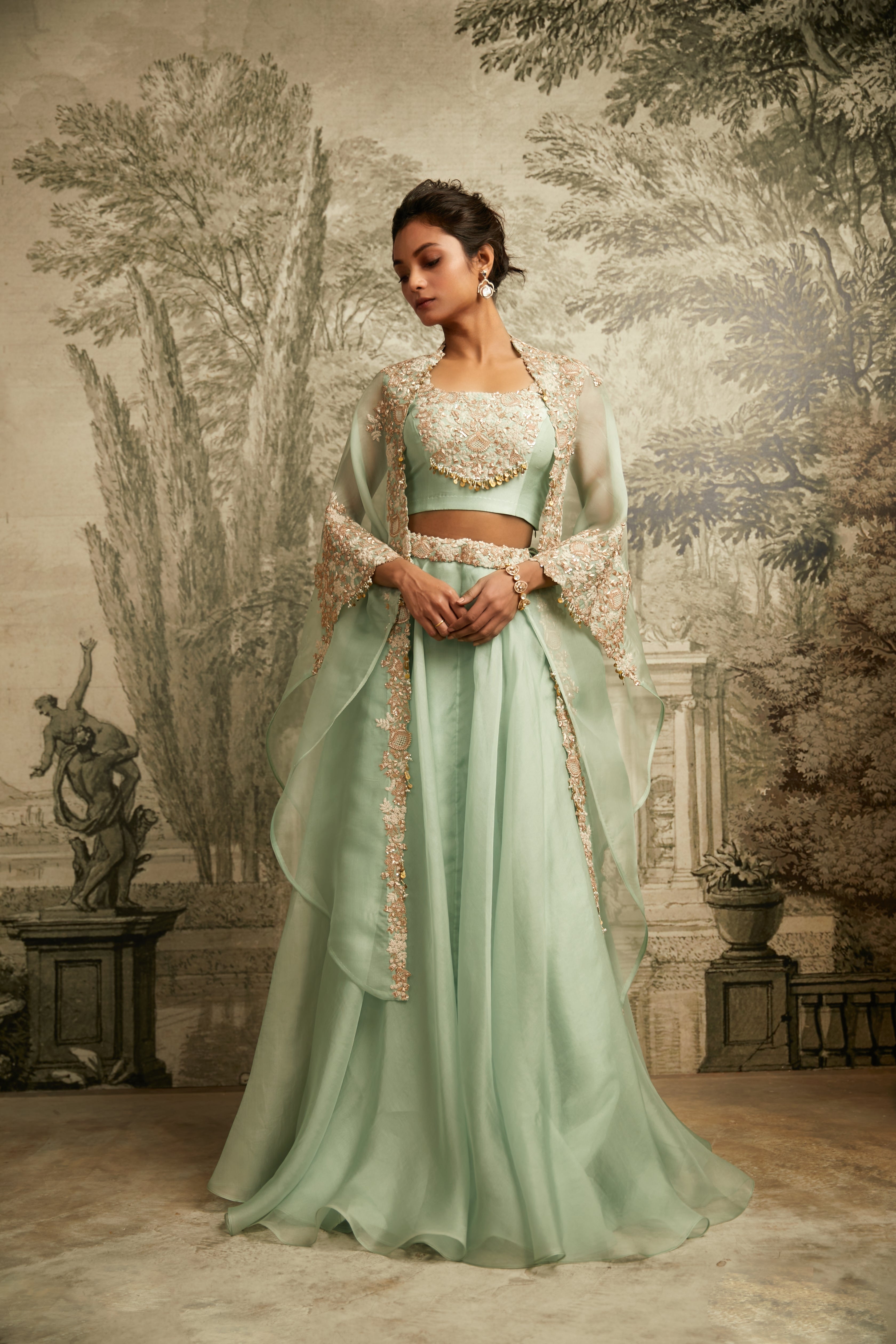
If you're invited to a formal Eid dinner or a large celebration, a lehenga is entirely appropriate — and genuinely stunning in festive settings. Choose lighter embroidery than you would for a wedding: sequin work, thread embroidery, or block prints rather than heavy zardosi or stonework.
Lehenga tips for Eid:
- Pair with a full-sleeved blouse or one with modest coverage
- Drape the dupatta as a head covering if you'll attend prayers
- Pastel and jewel tones work better than bridal reds or heavy gold

Best Colours to Wear for Eid
Eid is associated with joy, festivity, and new beginnings. The colour palette reflects that.
Traditional Eid colours:
| Colour | Why It Works |
|---|---|
| Emerald green | Traditional, auspicious, universally flattering |
| Royal blue | Festive without being loud |
| Deep burgundy | Rich and elegant for evening |
| Ivory and cream | Classic, modest, pairs with any jewellery |
| Dusty rose and blush | Soft, modern, popular for daytime |
| Gold and champagne | Formal evening — pairs beautifully with embroidery |
What to Wear to Eid If You're Not Muslim
If you're a non-Muslim guest invited to an Eid celebration, the same guidelines apply. You don't need to wear specifically "Muslim" clothing — a salwar kameez, anarkali, or saree is entirely appropriate and will be warmly received. The key principles are:
- Cover your arms and legs — at minimum, avoid sleeveless or above-the-knee lengths
- Dress festively — this is a celebration, not a formal office event
- Choose Indian ethnic wear over Western formals — it shows cultural awareness and respect
- When in doubt, ask the host — they will appreciate the thoughtfulness
Eid Outfit Checklist
Before you finalise your outfit, run through this:
- Arms and legs covered (or coverable with dupatta)
- Fabric is festive — not casual cotton or denim
- Colour is celebratory — avoid all-white or all-black for daytime
- Outfit is comfortable enough to sit, pray, and eat in for several hours
- Jewellery and footwear complement without overpowering
- Dupatta is included if attending prayers
Frequently Asked Questions
What is the best outfit to wear to Eid as a non-Muslim guest?
A salwar kameez, anarkali suit, or saree is the most appropriate and appreciated choice for non-Muslim guests at Eid. Choose modest coverage — covered arms and full-length hemline — in a festive colour. Indian ethnic wear shows cultural respect and is universally welcomed at Eid gatherings.
Can I wear a lehenga to Eid?
Yes. A lehenga is appropriate for formal Eid dinners or large evening celebrations. Choose lighter embroidery than bridal wear — sequin work, thread embroidery, or printed fabric — and pair with a modest blouse. Avoid heavily embellished bridal lehengas which can feel overdressed for the occasion.
What colour should I wear to Eid?
Green, royal blue, deep burgundy, ivory, blush, and gold are all excellent choices for Eid. Green is traditionally associated with the occasion and always appropriate. Avoid all-white (associated with mourning in some traditions) and keep the palette festive rather than muted.
Can I wear a saree to Eid?
Yes. A georgette, net, or silk saree is an elegant and appropriate choice for Eid, particularly for family gatherings and formal dinners. Pair with a full-sleeve or elbow-length blouse for modesty. Avoid heavily embellished bridal sarees — light to medium embellishment is ideal.
What should I wear to Eid namaz as a guest?
For the morning prayers, dress modestly and simply. A plain or lightly embroidered salwar kameez with a dupatta large enough to use as a head covering is ideal. Avoid heavily embellished outfits, strong fragrance, and noisy jewellery at the prayer setting.
Is indo-western wear appropriate for Eid?
Yes, for casual Eid gatherings, outdoor events, or celebrations among younger family and friends. Cape sets, palazzo suits, co-ord kurta sets, and dhoti pants with embroidered tops are all festive and modern. Ensure coverage is maintained — avoid anything cropped or body-hugging.
Looking for the perfect Eid outfit? Explore Mokshaa's Salwar Kameez collection, Anarkali Suits, Indo-Western outfits, and Lehengas — all available with worldwide shipping and cash on delivery across India.